
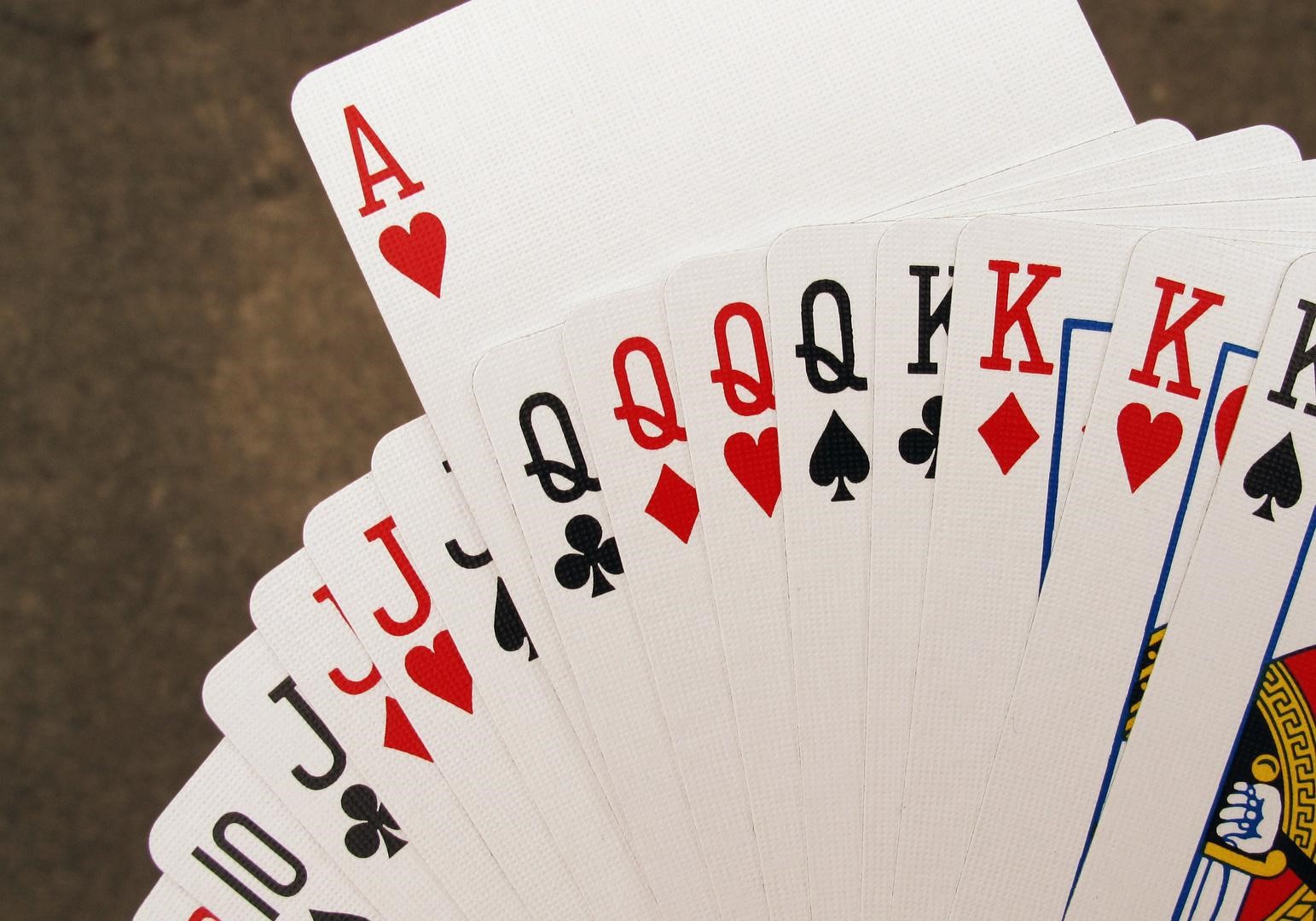

The card game has stood as a universal form of recreation, strategy, and intellectual engagement for centuries. From the ancient courts of Asia to the bright lights of Las Vegas and the digital age of online gaming, card games have captivated the human mind like few other forms of entertainment. They combine mathematics, memory, psychology, and intuition into a single dynamic experience. Whether played casually at family gatherings or professionally in tournaments, card games are a testament to human creativity, logic, and the thrill of competition.
The Origins and Historical Journey of Card Games
The story of the card game begins over a thousand years ago in imperial China, where hand-painted paper cards were used for entertainment and gambling. These early decks evolved through trade routes into Persia and India, eventually reaching Europe in the 14th century. European artisans added the four suits—hearts, spades, clubs, and diamonds—creating the foundation for the modern deck. Over time, regional influences shaped unique variations, such as Tarot in Italy and France or the introduction of face cards representing royalty.
By the 19th century, card games became a global phenomenon. They adapted to every culture and context: social gatherings, military camps, and later, casinos. The 20th century brought standardized rules and new formats like Poker and Bridge, which transformed card playing into a blend of entertainment and intellectual challenge.
The Structure and Logic of Card Games
Every card game, regardless of complexity, is built on three key elements: structure, decision-making, and probability.
Core Components of a Card Game
- Deck Composition: The deck determines the game’s foundation. A standard 52-card deck, specialized Tarot decks, or themed collectible decks each create distinct probabilities and strategies.
- Objective: Each card game defines victory differently. Some require scoring points, others eliminating opponents, and some achieving specific patterns or combinations.
- Turn Structure: Turn order influences decision-making and strategic planning, particularly in games where players can observe and respond to others’ moves.
- Information Asymmetry: In most card games, players have limited knowledge of opponents’ cards. Success depends on predicting and reacting to unknown variables.
- Randomness vs. Skill: The balance of chance (card draws) and skill (strategic play) defines the game’s depth.
Mathematical Framework
At the heart of every card game lies probability and combinatorics. Skilled players rely on mathematical analysis to predict outcomes, optimize decisions, and reduce reliance on luck. Concepts such as expected value, odds ratios, and conditional probability underpin strategic mastery. For example, calculating the likelihood of drawing a needed card can determine whether to play aggressively or defensively.
Categories of Card Games
Card games can be classified based on structure, objective, and skill level.
1. Trick-Taking Games
Games like Bridge, Hearts, and Spades revolve around winning “tricks,” where each player plays one card per round. Success requires understanding suit hierarchies, anticipating opponents’ plays, and managing hand composition.
Key Skills: Memory, timing, and cooperative strategy (in partnership games).
2. Matching and Shedding Games
In games like Rummy and Uno, players aim to match or discard cards according to specific patterns. These games balance speed with foresight, rewarding those who can plan several moves ahead.
Key Skills: Pattern recognition, sequencing, and adaptive play.
3. Casino and Gambling Card Games
Poker, Baccarat, and Blackjack dominate casinos worldwide. These games involve not only probability but also psychological tactics. Players must manage money, read opponents, and exploit small statistical advantages.
Key Skills: Risk management, emotional control, and behavioral analysis.
4. Collectible and Strategy-Based Card Games
Modern collectible card games (CCGs) such as Magic: The Gathering or digital trading games blend deck construction with strategy. Players customize their decks to create synergy, control game tempo, and outthink opponents.
Key Skills: Strategic design, meta-awareness, and resource optimization.
5. Solitaire and Solo Play
Solitaire, FreeCell, and Pyramid highlight single-player logic challenges. They rely on pattern solving and probability rather than opponent interaction.
Key Skills: Concentration, sequencing, and foresight.
The Psychology Behind Card Games
Card games test far more than logic. They engage deep psychological processes related to human behavior, decision-making, and risk tolerance.
Reading Opponents
Interpreting non-verbal cues, betting patterns, or play rhythm provides insight into an opponent’s mindset. This skill, often called “reading tells,” is invaluable in competitive settings like Poker. It transforms the game into a psychological duel where observation and deception dictate success.
Emotional Discipline
Card games naturally induce emotional highs and lows. Remaining calm after a bad hand or staying composed during a winning streak separates professionals from amateurs. This emotional regulation mirrors real-world skills in stress management and resilience.
The Illusion of Control
Many players overestimate their influence over random outcomes. Skilled players counteract this cognitive bias by relying on logic and probability rather than superstition or instinct.
Strategic Bluffing
Deception plays a major role in competitive card games. Bluffing involves calculated risk-taking—acting in ways that mislead opponents into making suboptimal decisions. Effective bluffing requires timing, credibility, and awareness of opponent tendencies.
The Mathematics of Advantage: Strategy and Skill
Card games often reward those who apply disciplined strategy over instinct.
Probability-Based Decisions
Knowing when to fold, draw, or bet depends on mathematical expectations. Players use probability charts, combinatorial calculations, and outcome modeling to make optimal choices.
Game Theory in Card Games
Game theory, the study of strategic interaction, applies directly to card play. Every action influences future reactions. In games like Poker or Bridge, understanding equilibrium strategies—balancing aggression and caution—creates a consistent long-term advantage.
Risk Management and Bankroll Control
Especially in gambling-based games, managing one’s resources is essential. Skilled players set betting limits, understand variance, and treat every decision as an investment.
Position and Information Advantage
In multi-player formats, seating order (position) determines how much information a player gathers before acting. Acting last provides the advantage of observing others’ moves first, allowing better-informed decisions.
The Modern Evolution of Card Games
Card gaming has transcended traditional boundaries, adapting seamlessly to the digital age while retaining its intellectual roots.
Online Platforms and Mobile Play
The digital revolution has made card games accessible worldwide. Players can compete in real-time tournaments, practice solo with AI opponents, or learn strategy through interactive tutorials. Mobile apps now simulate realistic casino experiences while incorporating modern graphics and social interaction.
Artificial Intelligence in Card Games
AI has redefined how card games are analyzed and mastered. Machine learning models can now simulate millions of hands to refine optimal strategies. In professional Poker and Bridge, AI tools help players study patterns, calculate probabilities, and uncover statistical weaknesses in human play.
Hybrid and Augmented Reality Experiences
Augmented reality (AR) and virtual reality (VR) are reshaping the experience of the card game. Players can interact with virtual decks and opponents in immersive 3D environments, combining the tactile joy of physical cards with the innovation of digital play.
The Cultural and Social Influence of Card Games
Card games have always reflected social and cultural dynamics. They bring people together, teach critical thinking, and even serve educational purposes.
Social Bonding
From family game nights to professional clubs, card games encourage connection. They promote conversation, collaboration, and friendly rivalry.
Educational Value
Teachers use card-based systems to teach math, probability, and logic. The combination of play and education improves engagement and retention among students.
Economic and Professional Ecosystem
Card games support a thriving global economy through tournaments, casinos, and online competitions. Professional players, dealers, and game designers contribute to an ever-expanding industry valued in billions.
Card Games and Cognitive Development
Playing cards sharpens the mind by engaging memory, logic, and concentration.
- Memory Enhancement: Tracking previously played cards builds short-term recall and analytical thinking.
- Strategic Thinking: Long-term planning develops foresight and adaptability.
- Focus and Patience: The turn-based structure of card games teaches delayed gratification and sustained concentration.
Regular play has even been linked to improved brain health in older adults, offering protection against cognitive decline.
Ethics and Fair Play
Integrity remains the cornerstone of true mastery in card gaming.
- Respect Table Etiquette: Waiting your turn, maintaining silence during opponents’ play, and avoiding distractions maintain professionalism.
- Avoid Collusion: Coordinated cheating or signaling destroys the game’s fairness.
- Play Responsibly: Set limits in games involving money to ensure the activity remains entertainment, not dependency.
Real-Life Lessons from Card Games
Beyond entertainment, the discipline of card gaming mirrors real-life principles.
- Decision-Making Under Pressure: Balancing risk and reward is a valuable business and life skill.
- Adaptability: Just as card players adjust to new rules or strategies, adaptability drives success in evolving environments.
- Resilience: Accepting loss and learning from mistakes strengthens emotional endurance.
Frequently Asked Questions (FAQ)
Q: How much of card gaming is skill versus luck?
While chance affects short-term outcomes, skill dominates over time. Strategy, probability, and psychology determine consistent success.
Q: What is the best way to learn a new card game?
Start by studying rules, watching experienced players, and practicing frequently. Gradually introduce strategy once you’re comfortable with mechanics.
Q: Can card games improve decision-making skills?
Yes. They teach logical reasoning, data-driven judgment, and risk assessment—abilities applicable in both personal and professional life.
Q: Are digital card games as strategic as physical ones?
Absolutely. Online formats often replicate real-world rules precisely while adding analytics tools that enhance learning and strategy refinement.
Q: What’s the most intellectually challenging card game?
Bridge and Poker are widely regarded as the most complex due to their balance of logic, teamwork, probability, and psychology.
Q: How do professionals maintain focus during long sessions?
They use meditation, disciplined routines, and rest intervals. Mental endurance is crucial in maintaining consistent decision-making.
Q: Are card games beneficial for children?
Yes. They develop arithmetic skills, critical thinking, and social interaction, fostering both education and creativity.
Q: Can anyone become an expert at card games?
With dedication, consistent practice, and study, anyone can improve significantly. The key lies in patience, observation, and disciplined play.
Card games are more than pastimes—they are intellectual pursuits that mirror human strategy, psychology, and emotion. Whether played at a family table, a professional tournament, or through digital platforms, they continue to challenge minds, forge connections, and embody the timeless thrill of risk and reward.

Comments are closed.