
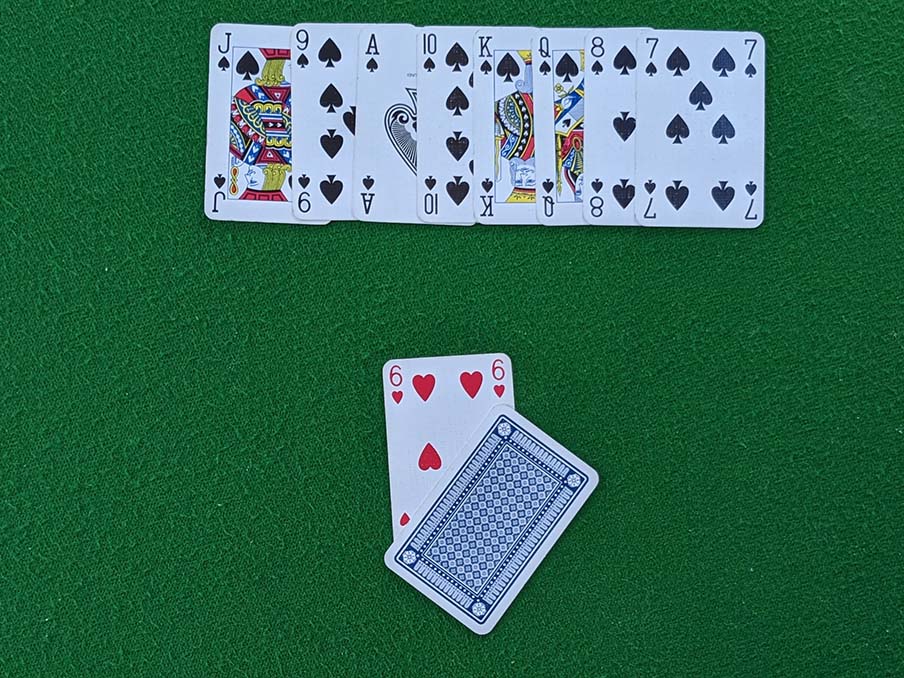

Few forms of entertainment have stood the test of time as well as the card game. From ancient courts to modern casinos and digital platforms, card games have evolved into one of the most intellectually stimulating and socially engaging forms of recreation in the world. They blend chance, skill, strategy, and psychology, offering something for everyone—from casual family gatherings to high-stakes tournaments. In this detailed guide, we’ll explore the evolution, strategy, psychology, and structure of card games, along with how technology has reshaped their place in today’s culture.
The Origins and Evolution of Card Games
The history of card games dates back more than a thousand years. Originating in China during the Tang dynasty, the earliest forms of playing cards were paper-based tokens used for entertainment and gambling. As trade routes expanded, card games spread through Persia and India before reaching Europe in the 14th century. European versions of playing cards adopted the four suits we recognize today: hearts, spades, diamonds, and clubs. Over time, card games evolved into diverse genres—from strategic trick-taking games to gambling-based games and collectible card formats.
The Global Expansion of Card Games
- Europe: Games like Whist and Piquet laid the groundwork for modern favorites such as Bridge and Poker.
- Asia: Traditional games like Mahjong and Hanafuda influenced both cultural customs and modern digital card mechanics.
- North America: The evolution of Poker and Blackjack defined card gaming in the modern casino era, combining probability with psychology.
- Digital Era: Online multiplayer card platforms and mobile apps have introduced millions of new players, revitalizing traditional formats with interactive gameplay.
The transformation of the card game from a simple pastime into a symbol of strategy, intellect, and social connection reflects its enduring appeal across centuries.
The Structure and Logic Behind Every Card Game
Though rules vary, every card game shares underlying principles of logic, mathematics, and probability. Understanding these foundations is essential for developing skill and consistency.
The Core Mechanics
- Deck Composition: Most games use a standard 52-card deck, though variations exist (32-card decks for Piquet, 40-card decks in Italian games, or custom decks in collectible formats).
- Hand Evaluation: Success often depends on the hierarchy of cards—knowing which combinations (like pairs, flushes, or sequences) yield the best outcomes.
- Turns and Rounds: Card games typically follow turn-based structures that require anticipation and counter-strategy.
- Randomness and Control: Every game balances chance (draws or shuffles) with decision-making (bids, discards, bluffs).
The Mathematics of Card Play
Probability forms the backbone of intelligent play. For instance, in Poker, the odds of drawing specific combinations dictate long-term success. In Blackjack, understanding the ratio of high to low cards enables informed decision-making. Strategic players use combinatorics, expected value, and risk assessment to maximize their edge over time.
Categories of Card Games
Card games are typically divided into several key categories based on structure and objective.
1. Trick-Taking Games
These involve rounds where each player contributes a card, and the highest card wins the “trick.” Games like Bridge, Hearts, and Spades require strategic sequencing, hand management, and prediction.
2. Matching and Shedding Games
The goal is to match cards or discard them efficiently. Uno and Rummy are classic examples where players race to empty their hands by following patterns or sets.
3. Casino and Gambling Games
Games like Poker, Baccarat, and Blackjack combine statistical analysis with psychological play. Each decision influences both personal outcomes and table dynamics, making these games a test of both intellect and composure.
4. Collectible and Trading Card Games (TCGs)
Modern TCGs like Magic: The Gathering or digital equivalents use deck-building strategies, resource management, and unique mechanics. They merge gaming with collection, blending traditional rules with ongoing expansions and updates.
5. Solitaire and Solo Play
Designed for single players, Solitaire-based games focus on pattern recognition, probability, and patience. These games evolved into digital staples, offering both entertainment and cognitive benefits.
The Psychology of Card Games
One of the most fascinating aspects of card gaming is its psychological depth. Beyond luck and math, the human element defines success.
Reading Opponents
Observation is key. Skilled players analyze betting patterns, timing, facial expressions, and tone to predict opponents’ next moves. This practice, often called “reading tells,” transforms card play into a battle of perception.
Emotional Regulation
Emotional control distinguishes great players from impulsive ones. A single poor reaction can expose your hand or disrupt your strategy. Maintaining composure—especially after losses—is a core discipline across all forms of card play.
Cognitive Benefits
Playing cards improves memory, critical thinking, and decision-making. Studies show that regular card play can sharpen concentration, strengthen pattern recognition, and even delay cognitive decline in older adults.
Strategic Depth and Advanced Techniques
Card games reward players who move beyond instinct and develop systematic thinking.
Probabilistic Thinking
Understanding odds allows players to make data-driven decisions. For example, in Poker, folding based on pot odds is often wiser than chasing unlikely hands.
Game Theory Application
Card games embody real-world applications of game theory. Players must weigh risk versus reward, anticipate others’ moves, and adapt dynamically to incomplete information.
Bluffing and Deception
Bluffing transforms card games into psychological warfare. The goal is to manipulate perception—convincing opponents that you hold stronger or weaker cards than you do. Success relies on timing, consistency, and credibility.
Risk Management
Effective players treat every decision as an investment. They calculate expected outcomes, diversify strategies, and avoid emotional betting. Smart bankroll management ensures longevity in competitive environments.
Card Games in the Digital Age
Technology has revolutionized how people engage with card games.
Online and Mobile Platforms
Digital card games offer accessibility, tutorials, and global competition. Players can participate in live multiplayer sessions or AI-based challenges anytime. These platforms integrate social interaction, allowing chat features, tournaments, and leaderboards.
AI and Algorithmic Play
Modern artificial intelligence has reshaped competitive card gaming. Algorithms now analyze millions of possible outcomes per second, demonstrating optimal strategies in Poker and Bridge. AI opponents also help players practice by simulating realistic challenges without financial risk.
The Rise of Esports Card Competitions
Competitive digital card games now feature global tournaments with large prize pools. These events blend traditional card mechanics with interactive storytelling, attracting both strategic thinkers and digital gamers.
Etiquette and Ethics in Card Play
Beyond skill, etiquette defines the integrity of card gaming.
Common Rules of Conduct
- Respect table order and turn timing.
- Avoid “slow play” or intentional stalling.
- Refrain from commenting on active hands or strategy.
- Celebrate wins gracefully and accept losses respectfully.
Fairness and Integrity
Honest play sustains the spirit of the game. Cheating or collusion not only undermines competition but erodes the cultural legacy of card gaming itself. True mastery comes from skill, not shortcuts.
How to Build Long-Term Card Game Skill
Developing proficiency takes time, patience, and structured learning.
Study Strategy
Learn rule variations, advanced strategies, and probabilities through detailed guides and practice simulations. Memorizing optimal plays for different scenarios builds intuition over time.
Practice with Purpose
Play regularly in low-stakes environments before moving to competitive levels. Analyze losses carefully; mistakes teach far more than victories.
Observation and Adaptation
Each opponent brings unique patterns and behaviors. Skilled players continuously adjust strategies to exploit weaknesses or counter aggressive tactics.
Develop Mental Resilience
Long sessions and losing streaks test discipline. A calm, analytical mindset prevents burnout and maintains consistency.
The Cultural and Social Impact of Card Games
Card games hold a universal place in human culture, symbolizing community and shared experience. Family nights, casual gatherings, and professional tournaments all showcase their versatility. They transcend language barriers and generations, serving as both entertainment and education.
Card Games in Education
Educators have begun using card-based systems to teach mathematics, probability, and strategic reasoning. The tactile, interactive nature of cards helps students visualize patterns and practice problem-solving.
Therapeutic and Social Benefits
In retirement communities and therapy sessions, card play enhances mental agility and fosters social interaction. It encourages communication, reduces isolation, and promotes cooperative engagement.
Frequently Asked Questions (FAQ)
Q: What makes card games different from board games?
Card games emphasize probability, bluffing, and rapid decision-making, while board games often rely on structured progression and resource control.
Q: How can I improve my card game skills quickly?
Start by learning one game thoroughly. Master its rules, probabilities, and basic strategies before moving to advanced concepts like bluffing or counting. Consistent practice is the fastest teacher.
Q: Are card games purely based on luck?
While luck influences outcomes, skill determines consistency. Strategic decision-making, observation, and mathematics reduce the role of randomness over time.
Q: What are the best games for beginners?
Rummy, Blackjack, and simple matching games are excellent starting points. They balance easy learning with strong strategic depth.
Q: How do professional card players train?
Professionals use simulation tools, study probability charts, review recorded sessions, and maintain mental conditioning through meditation and focus exercises.
Q: Can playing cards improve cognitive function?
Yes. Regular card play has been shown to improve memory, focus, and logical reasoning, particularly among older adults.
Q: What is the most skill-based card game?
While all card games require some luck, Poker and Bridge are widely considered the most skill-intensive, relying heavily on strategy, reading opponents, and probability analysis.
Card games remain an enduring reflection of human intellect, creativity, and social instinct. Whether you play casually or competitively, every shuffle and deal offers a fresh challenge—a perfect balance between chance and mastery that keeps players coming back for centuries.

Comments are closed.