
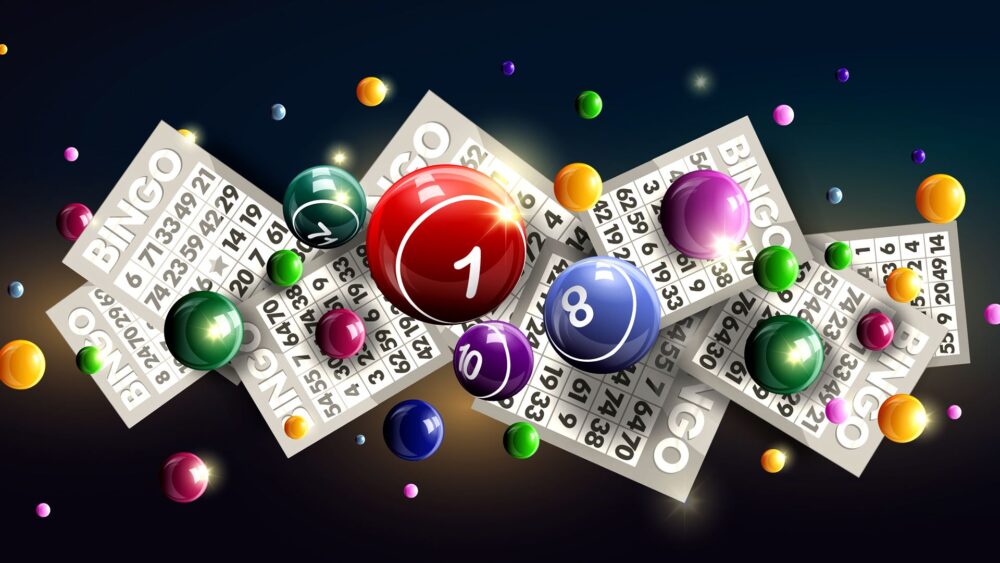

Bingo remains one of the most enduring and versatile games of chance and community engagement. From its humble beginnings to its place in modern fundraising, social gatherings, and even digital platforms, bingo continues to captivate players of all ages. In this article, we will explore the rich history, rules, strategies, cultural significance, and emerging trends surrounding bingo. We will also address frequently asked questions rooted in real-world curiosity rather than superficial overviews.
The anchor phrase “bingo” appears early to establish context and alignment with keyword goals.
Origins and Evolution of Bingo
Early Beginnings
The roots of bingo trace back to mid-16th century Italy, with a lottery-style game called “Il Gioco del Lotto d’Italia.” Over time, versions of the game spread to France and subsequently to England, where it became known as “Beano.” Players would mark off beans on cards as numbers were called. The name “bingo” is said to have originated from a joyous miscall; when someone accidentally shouted “Bingo!” instead of “Beano,” the term stuck.
Transformation in the United States
In the United States during the early 20th century, bingo gained popularity as a fundraising tool, especially through churches and charitable groups. Edwin Lowe, a toy salesman, is often credited with standardizing the format in the 1920s after witnessing a version played at a carnival. He modified the cards and later created the modern 5×5 grid that is commonly used today.
In post–World War II America, bingo halls proliferated, and the game became a staple of local social life, especially among older adults seeking recreation and community.
Digitization and Online Transition
With the advent of the internet, bingo made a natural transition into digital formats. By the late 1990s and early 2000s, numerous websites offered online bingo with a variety of themes, automatic number-calling, chat features, and virtual “rooms.” Today, mobile apps extend that experience further, enabling live-hosted rooms, community interactions, and integrated rewards.
Rules and Formats of Bingo
While there are many variants, most revolve around the following structure:
Basic Structure
- A bingo card typically consists of a 5 × 5 grid (in the U.S.), with one free space in the center.
- Columns are labeled B-I-N-G-O.
- Under “B,” numbers range from 1 to 15.
- Under “I,” numbers range from 16 to 30.
- Under “N,” 31 to 45 (with the free center spot).
- Under “G,” 46 to 60.
- Under “O,” 61 to 75.
- The caller draws numbers at random (e.g., “B-12,” “G-54”) and announces them.
- Players mark matching numbers on their cards. If a player achieves the required pattern, they call out “Bingo!” to win.
Variants and Patterns
Different games may require varying patterns to win:
- Straight line (horizontal, vertical, or diagonal)
- Four corners
- Full house / blackout (all numbers must be marked)
- Custom shapes (e.g., X-shaped, cross, picture frame)
Some bingo events mix patterns in a single session. A “coverall” might award a prize only after the full card is marked.
Multiple Cards and Tied Wins
Players often play more than one card simultaneously. Ties are handled by splitting the prize (in some venues) or doing a sudden-death “tiebreaker” call until one player completes the pattern first.
Strategy: How to Approach Bingo Thoughtfully
Though bingo is primarily a game of chance, there are techniques and considerations that can improve your experience (and sometimes your odds). Below are strategic elements often overlooked by casual players.
Managing Multiple Cards
- Limit the number: Don’t overextend. Playing too many cards can cause you to miss patterns because you can’t track them all.
- Set a limit: Decide ahead how many you can comfortably monitor.
Choosing Cards Wisely
- Diverse number distribution: If selecting cards, prefer those whose numbers are spread out across the B, I, N, G, and O columns—this increases your chance of someone calling a number you can mark.
- Avoid duplicate number sets: If playing with friends, coordinate so that your cards do not overlap heavily in number choices.
Patience During Early Calls
In early rounds, many players will have few marks. Stay focused, and don’t get discouraged. Stronger probability often accumulates in midpoint to late calls.
Time Your Winning Shout
Make sure your numbers are verified before shouting “Bingo!” A false claim might lead to disqualification or challenge.
The Social and Cultural Dimension of Bingo
Bingo is more than a lottery-like game: it’s a social engine. Let’s examine how it functions in communities and cultures.
Fundraising and Nonprofit Use
Church groups, schools, and nonprofit organizations often host bingo nights to raise funds. Participants buy cards, and part of the revenue goes to the cause, with prizes distributed to winners. This model remains effective because:
- Accessibility: Nearly anyone can join.
- Low overhead: Supplies are minimal.
- Repeatability: Events can be held regularly.
Community and Social Bonds
In bingo halls, game nights draw diverse age groups who share in:
- Conversation and camaraderie
- Friendly competition
- Shared rituals (e.g., snack breaks, intermission raffles)
This social aspect is central to bingo’s enduring popularity.
Cultural Adaptations
Different regions adapt bingo to local tastes:
- In some European countries, bingo is merged with lottery features, such as “tombola.”
- In parts of Asia, electronic video bingo slots evolve the game toward slot-machine hybrids.
- On cruise ships and holiday resorts, bingo is often a nightly entertainment feature, with themed playlists, costume rounds, or novelty prizes (e.g., spa vouchers, excursion tickets).
Online Bingo: Platforms, Legitimacy, and Best Practices
Types of Online Bingo Platforms
- Browser-based bingo sites: Use Flash, HTML5, or WebSockets for real-time gameplay.
- Mobile bingo apps: Offer push notifications, live rooms, and social chat.
- Hybrid models: Some platforms combine bingo with instant-win games, slots, or lotteries for variety.
Fairness and Licensing
To be trustworthy, online bingo platforms usually:
- Operate under gambling licenses from recognized jurisdictions.
- Use Random Number Generators (RNGs) audited by third-party firms.
- Provide terms and conditions about payouts, withdrawal timelines, and bonus rules.
- Display return-to-player (RTP) statistics where required.
Before playing, always check user reviews, licensing information, and payout history.
Community Features
Modern bingo platforms often emphasize social experience:
- In-room chat so players can interact.
- Hosts/DJs who call numbers orally and entertain.
- Loyalty programs offering free cards, coffers, or badges.
These features help replicate the ambiance of physical bingo halls in virtual environments.
Economic and Statistical Foundations of Bingo
To appreciate bingo’s structure, one must understand its statistical underpinning.
Odds and Probability
- A single bingo card among many players faces low odds of winning any given call.
- Probability increases slightly as the number of balls drawn grows, but multiple players also simultaneously grow in odds.
- Patterns like “full house” have exponentially lower probabilities than simple lines.
House Edge and Payouts
- In organized bingo (especially fundraising bingo), the “house edge” is embedded: the cost of cards minus prize amounts equals net revenue.
- In regulated bingo venues, payout ratios are often required to meet legal minimums.
Expected Value
For players, the expected value (EV) of any bingo card can be approximated as:
EV = probability of winning × average prize − cost of card
Because probability is low (particularly in large rooms), many cards have a negative expected value, making bingo more entertainment than investment.
Innovations & Trends in Bingo Today
The landscape of bingo has evolved with new technologies and social shifts.
Live-Host Virtual Bingo
Streaming platforms now host bingo events live, with video hosts calling out numbers, engaging with chat, and giving prizes in real time. These formats blur the line between game and show.
Augmented Reality (AR) Bingo
Some companies experiment with AR bingo, where users scan physical cards or spaces with their phones, then overlay digital numbers or reveal animations based on calls.
Social and Charity Integrations
Digital bingo platforms collaborate with nonprofits. For example, participating in certain rooms may contribute a portion of card sales or ad revenue to charitable causes. This merges play and philanthropy.
Thematic and Pop-Culture Bingo
Themes tied to shows, movies, seasonal events, or fandoms inject novelty. For example:
- “Series Bingo” tied to episodes of a TV show.
- Festival bingo at conventions, where attendees get custom bingo cards tied to merchandise, appearances, or panel events.
- Holiday editions (e.g., Christmas bingo, Halloween bingo) featuring themed prizes or entertainment.
Responsible Play and Ethical Considerations
Though bingo is generally benign, some cautions are warranted:
- Set spending limits: Treat card purchases as entertainment costs, not income bets.
- Know the rules: Be clear on cancellation policy, refund options, and prize claims.
- Beware of manipulation: Ensure platform is licensed and transparent.
- Avoid chasing losses: Don’t buy excessive cards just because you’re frustrated—this usually backfires.
Gaming commissions and nonprofit organizers have responsibilities to protect vulnerable players, including:
- Age restrictions
- Clear disclosure of probabilities
- Support and self-exclusion options
Frequently Asked Questions (FAQ)
Q: How many cards should I play at once?
A: It depends on your concentration and experience. Many regulars cap at 4 to 8 cards simultaneously; beyond that, it’s easy to lose track of patterns.
Q: Can I improve my odds by selecting certain cards?
A: Only marginally. Cards with diverse distributions across columns may help, but since number calls are random, chance dominates.
Q: Is there a “best” bingo pattern?
A: No. Simpler patterns like straight lines complete faster, but carry lower prestige or prize value than harder patterns like full house or X-shaped patterns.
Q: Do online bingo sites cheat?
A: Legitimate sites use RNGs and are audited under licensing jurisdictions. Always play on sites with clear licenses, third-party certifications, and transparent payout policies.
Q: Is bingo only for older people?
A: No. While traditional halls often attract older audiences, online platforms, themed events, and charity-driven rooms have broadened the demographic range substantially.
Q: What’s the difference between bingo and lottery?
A: Bingo involves cards, multiple numbers drawn sequentially, and real-time marking. A lottery typically involves single ticket(s), instant draw(s), and no interactive gameplay.
Q: Can bingo be educational?
A: Yes. Variants exist for kids that incorporate math, spelling, geography, or vocabulary—turning bingo into a fun edutainment tool.

Comments are closed.